PARALYMPIC CLASSES
By: Jillian Curwin
The Paralympic Games are the premiere global sporting events for athletes with disabilities. It is one of the largest international sporting events, comparable with the Olympics and the World Cup. The International Paralympic Committee (IPC) website, says the Paralympic Games are “the pinnacle globing sporting event for Para athletes, showcasing the very best of Para sport, and providing optimal conditions for a diverse group of Paralympic athletes to achieve excellence.” They are perceived by and sold to the public to be accessible and inclusive towards all elite athletes with physical disabilities who qualify to compete. However, perceptions are not always the reality.
To understand how the Paralympic Games are organized, you first have to understand that there is a classification system. The Paralympic classification system, according to the IPC, “determines which athletes are eligible to compete in a sport and how athletes are grouped together for competition.” It is based on impairment (disability) and “degree of activity limitation” because of the impairment. There are ten eligible impairments that are classified into three distinct groups: physical impairments, vision impairment, and intellectual impairment. Note there is a distinction between impairment and disability. To use the IPC’s terminology, an athlete must have an “underlying health condition” (such as a disability) that leads to a “permanent eligible impairment.”
However, it is not enough to simply be disabled and to have one of the ten eligible impairments. Athletes must also meet the “Minimum Impairment Criteria” for their certain sport (Note: This criteria is not universal; each sport has a specific criteria.) This criteria, based on scientific research, “assesses the impact of impairments on the sport’s activities.” For example, a criterion for athletes of short stature may be a height requirement, whereas, for an athlete with a limb difference, a criterion might be the type of amputation. In regards to the Minimum Impairment Criteria, it is important to note that, as stated by the IPC, “if an athlete is not eligible to compete in a sport, this does not question the presence of a genuine impairment. It is a sport ruling,” meaning that the IPC is not questioning nor determining if an athlete is disabled. Rather, they are using this criteria to determine if an athlete’s disability, and subsequent impairment, permits them to compete in a certain sport.
The third and final step in the classification process is determining an athlete’s sports class. A sports class groups together athletes of similar impairments, and limitations are designed to create a level and equitable competition field. The number of classes varies per sport for example, some sports, such as wheelchair basketball or rugby, may only have one, whereas others could have over 50, such as track and field. Deciding one’s sport class is a lengthy, involved, and evolving process involving various physical and technical assessments conducted by medical and sporting professionals. Moreso, because this is an ever-evolving process, athletes may be required, due to the nature of their disability and/or impairment, to be re-assessed and re-classified.
It is important to note that, like disability, the classification system is not static. It is dynamic, ever-changing, with major and minor updates being made on a continuing basis. As such, in 2024 we saw the IPC approve a new classification code which took effect on January 1, 2025 However, this does not apply to the classification system for the 2026 Winter Paralympic Games in Milan. For Winter sports the classification system goes into effect in July of 2026. This new code, according to IPC President Andrew Parsons, “delivers the highest standards of classification ever seen and will strengthen the Paralympic Movement.” However, not without drawbacks.
Due to these changes to the classification system, there are some athletes, including World and Paralympic champions and record holders, who no longer have a class to compete in. For example, athletes with a T63 classification (athletes with single, above-the-knee amputation) are no longer able to compete in the long jump. Moreso, with this decision along with others, means that athletes with a T61 classification (athletes with double above-the-knee amputations) will not be eligible to compete in any para athletics event at the upcoming 2028 Paralympic Games in Los Angeles. For aspiring and returning Paralympians, this news is devastating.
Speaking with Justin Phongsavanh, an F54 javelin thrower, he framed this decision as essentially him being fired from the Paralympic Games. As to why this decision was made, Justin said that, as of now, there is no definitive answer. He reached out representatives from the IPC as well as from Team USA and United States Track & Field (USATF) who all cannot say with certainty why his class was cut. When asked what he thinks, he answered, “I think that [this decision] this could be due to the Paralympics wanting to streamline the Games. Because everyone has their own individual seating frames, it's a longer process, so they want to streamline it to make the event go faster.” Moreso, according to Justin, though he can only speculate, there is a possibility this could be out of desire to see faster times, bigger throws, greater results, and astonishing photo finishes across the Games.
The classification system is what separates the Olympics from the Paralympics in that any non-disabled person can aspire to, train to, and work to become an Olympian. Athletes with a disability not only have to aspire to, train to, and work to become a Paralympian, they also have to have the right type of disability, the right type of impairment, in order to compete in their class, in their sport. In an ever-changing system, it is possible that we see Paralympians no longer be allowed to compete, even if their disability or their impairment does not change.
It is impossible to get rid of the classification system altogether. As Justin said, “The classification system is what makes the Paralympics the Paralympics.” With each passing Games the standards and expectations are getting higher and so classifications are changing to meet them. Unfortunately, the result is that some disabilities are then being pushed out of competition in favor of reviews and ratings. So what is the solution? When I posed the question to Justin he offered a suggestion as to where to start: streamlining the process for an athlete to protest their classification, and making that process more accessible. As Justin explained, “For an athlete to protest a classification, they first have to send an email to the IPC who then has the power to decide if they even want to review the classification or conduct an investigation.” In other words, as Justin stated, putting the foundation of the sport and the future of an athlete “into the hands of a maybe.”
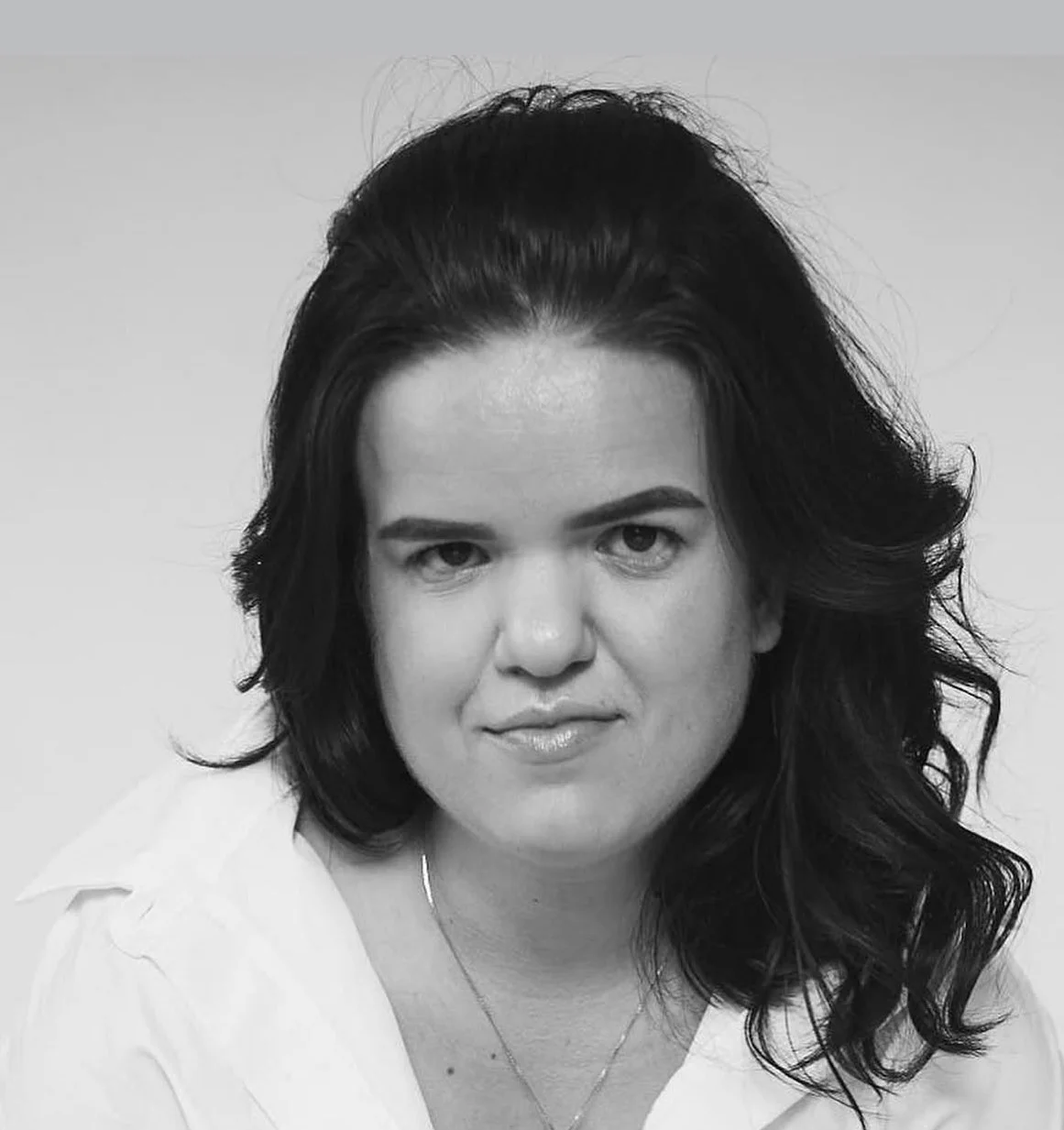
Speaking for myself, as a woman with dwarfism inspired by what I saw watching the 2024 Paris Paralympic Games, I did set my sights and aspirations on the 2028 Paralympic Games in Los Angeles, and thought that maybe paratriathlon might be the perfect sport for me. After all, swimming and biking, the first two modalities in a triathlon race, are the best physical activities I can do for my body, at least that is what my world-renowned orthopedic surgeon has always told me. Yet, one of the first things I learned about the sport was that there is no classification for short stature athletes, meaning athletes of short stature cannot compete in paratriathlon. Wanting to know why, I did some research and reached out to a couple paratriathlon coaches asking if they had any insight. One coach got back to me and said that, though they never received a definitive answer, it might be perceived that an athlete with dwarfism cannot compete in paratriathlon at the Paralympic level. I could compete in local USA Triathlon races, I could even compete in an Ironman, regarded as one of the toughest races in the world, and yet, because of the classification system, the paratriathlon is perceived as impossible for someone like me.
So, what can be done now? In the past few years there have been several petitions circulated but it is not clear if the International Paralympic Committee has either seen or responded to any of them. Athletes and sports media can continue to raise the issue, as Justin and other Paralympians have done, as this article intends to do. Moreso, those who talk about the Paralympics, from the media to fans of the sport, need to make a few changes. First, and perhaps this should not have to be said but it does, do not call Paralympians “Olympians.” This happens in the media more often than people realize. The title of Paralympian is not an insult, it is who these athletes are. To quote Justin, “It’s an honor.” Second, if we want to make the conversation surrounding classification larger, more impactful, then when talking about a Paralympian we should include their classification. For example: Justin Phongsavanh, an F54 javelin thrower, is a medal-winning Paralympian, having won bronze in the Tokyo Games. By including the classification when talking about the athletes, not only are you separating them from the Olympians, as there is no classification system for Olympic athletes, you are normalizing the classification system to an audience who still does not, for the most part, understand what is.
It is clear that something needs to change. While the classification system is necessary, it is not without flaws, and those flaws can be detrimental to an athlete’s career and dreams. Paralympic medal winners may no longer be allowed to defend their title in future Paralympic games. Aspiring Paralympians who have trained for years and put in so much effort and dedication to try and make their country's team may be disqualified before they even have an opportunity to prove themselves. Paralympians past, present, and future want to compete against the best athletes, and that opportunity should not be taken away simply because someone is not impaired enough or does not have the perceived ‘correct’ disability. Something needs to change.
*Note: This piece has been corrected to reflect the current changes to the Paralympic classification system and its implications for future Paralympic Games.